自媒体视频动效 · 人物后大字接全屏宣言


 +7

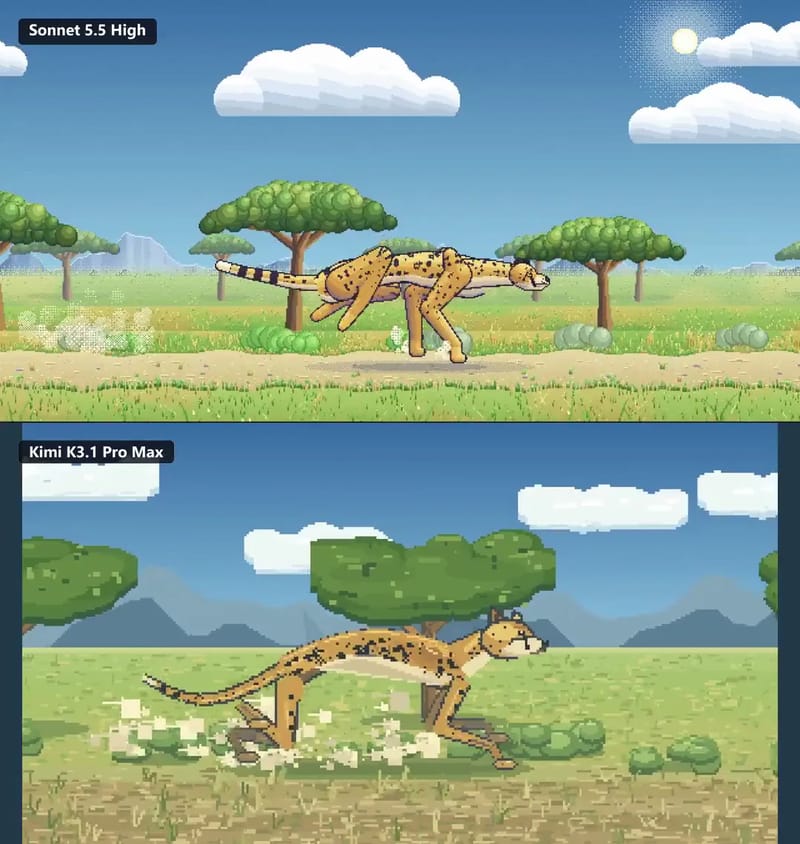
@AlicanKiraz0模型对比
Hi everyone! This time, I compared the outputs developed by Kimi K3.1 Pro, Muse Spark Open, DeepSeek V4.1 Flash 1017, and MiniMax M3.1 Flash in a challenging ANT COLONY INTELLIGENCE — Autonomous Foraging Benchmark scenario. I used OpenCode for all models with high reasoning effort. I followed a plan-first, implement-second workflow: I first instructed each model to analyze the task and prepare a development plan, then provided a second prompt to implement that plan. I also performed static source-code analysis and dynamic execution tests in a sandbox environment, running all four implementations in Chromium and independently scoring their results. I evaluated each model across four different seeds, independently checking delivery-event traces, inventory conservation, BFS distances, and benchmark thresholds. Task Summary: I asked the models to develop an autonomous ant-colony simulation featuring 1,000 agents operating on a 128×80 grid, discovering food sources, depositing and following HOME and FOOD pheromones, and transporting resources back to their nest without centralized dispatch or global route knowledge. The simulation had to run for 75 seconds across five automatic phases, executing 4,500 fixed physics ticks. The scenario included initial food exploration, pheromone-trail reinforcement, closure of the central passage, introduction of a new food source, and colony recovery after rain completely erased both pheromone fields. The benchmark contained 10 functional checks worth 100 points. Actual illegal transitions, inventory inconsistencies, or critical state-integrity violations would invalidate the simulation and reduce the official benchmark score to zero. Overall Scores — Independent Engineering & Coding Quality Index /100, and Costs: 🥇 DeepSeek V4.1 Flash 1017 — 85/100 — $0.172 🥈 MiniMax M3.1 Flash — 77/100 — $0.100 🥉 Kimi K3.1 Pro — 71/100 — $3.001 - Muse Spark Open — 20/100 — $0.206 Results: 🥇 Best overall engineering performance and throughput — DeepSeek V4.1 Flash 1017. — Best four-seed functional stability — DeepSeek and MiniMax (4/4, 100/100). — Highest total delivery throughput — DeepSeek (3,056 deliveries, seed 1337). — Best initial exploration-phase deliveries — Kimi (218 Food A deliveries in P1). — Most qualifying deliveries after gate closure — MiniMax (120 deliveries in P3). — Fastest adaptation to the new food source — DeepSeek and MiniMax (5.13 seconds). — Strongest post-rain recovery — DeepSeek (525 qualifying deliveries from post-rain pickups). — Lowest development cost — MiniMax ($0.100). — Best delivery throughput relative to development cost — DeepSeek. — Most critical functional failure — Muse Spark Open (0 deliveries across all four seeds).
 模型对比新0:15
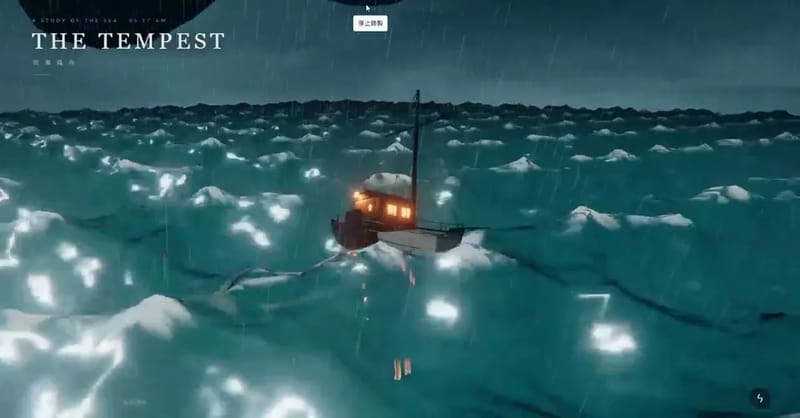 模型对比新0:07
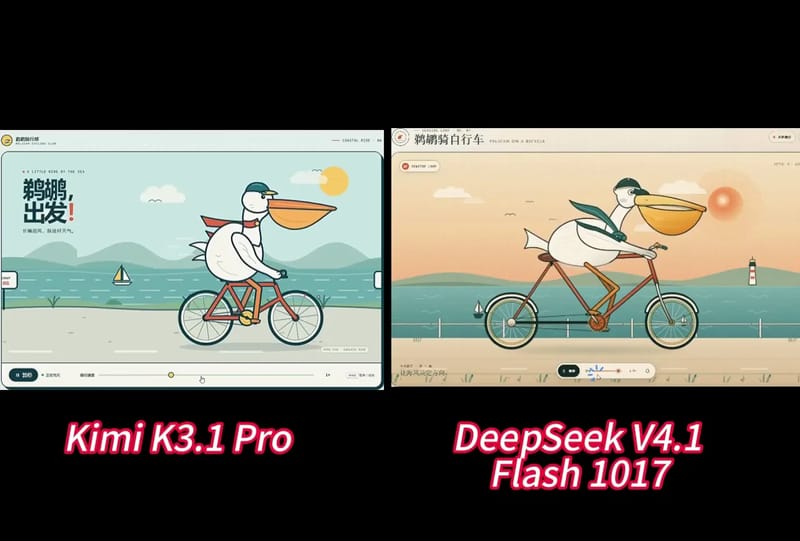 模型对比新0:22
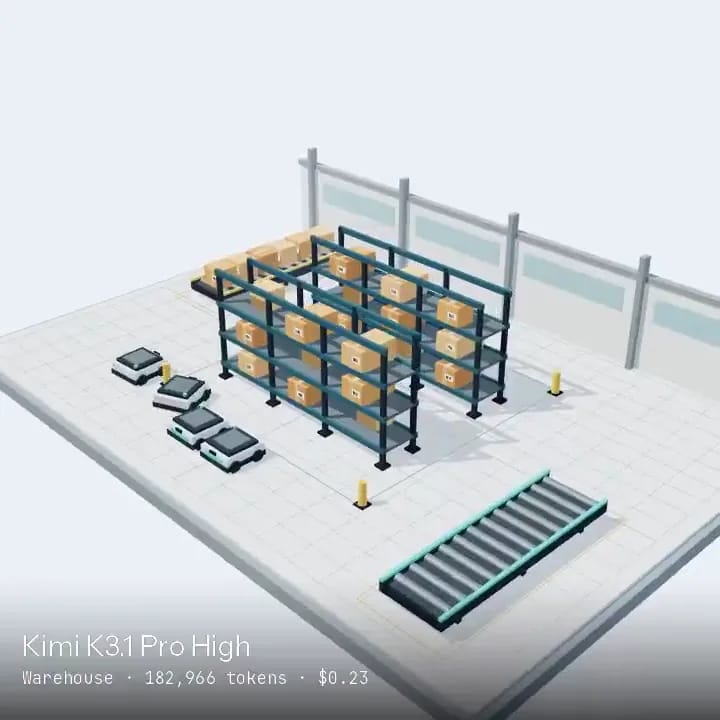 模型对比新0:28
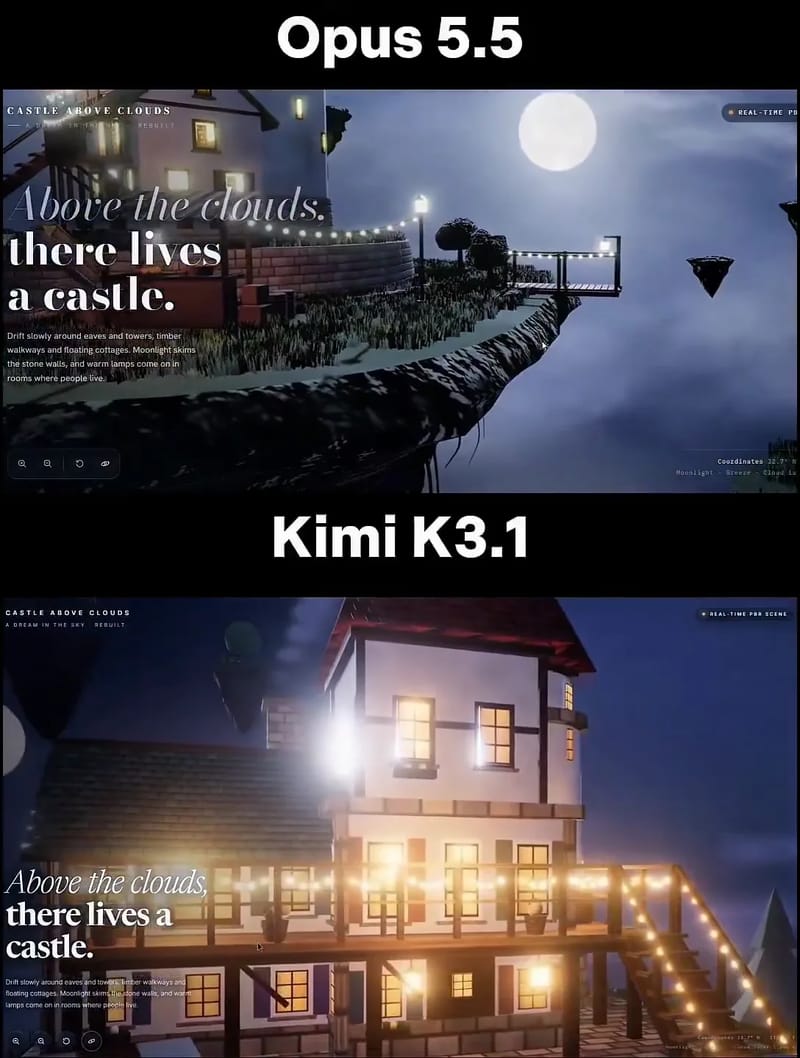 模型对比新0:29
 模型对比新1:08