Research Project Homepagev1.0.1
Use this Skill to build research project homepage.
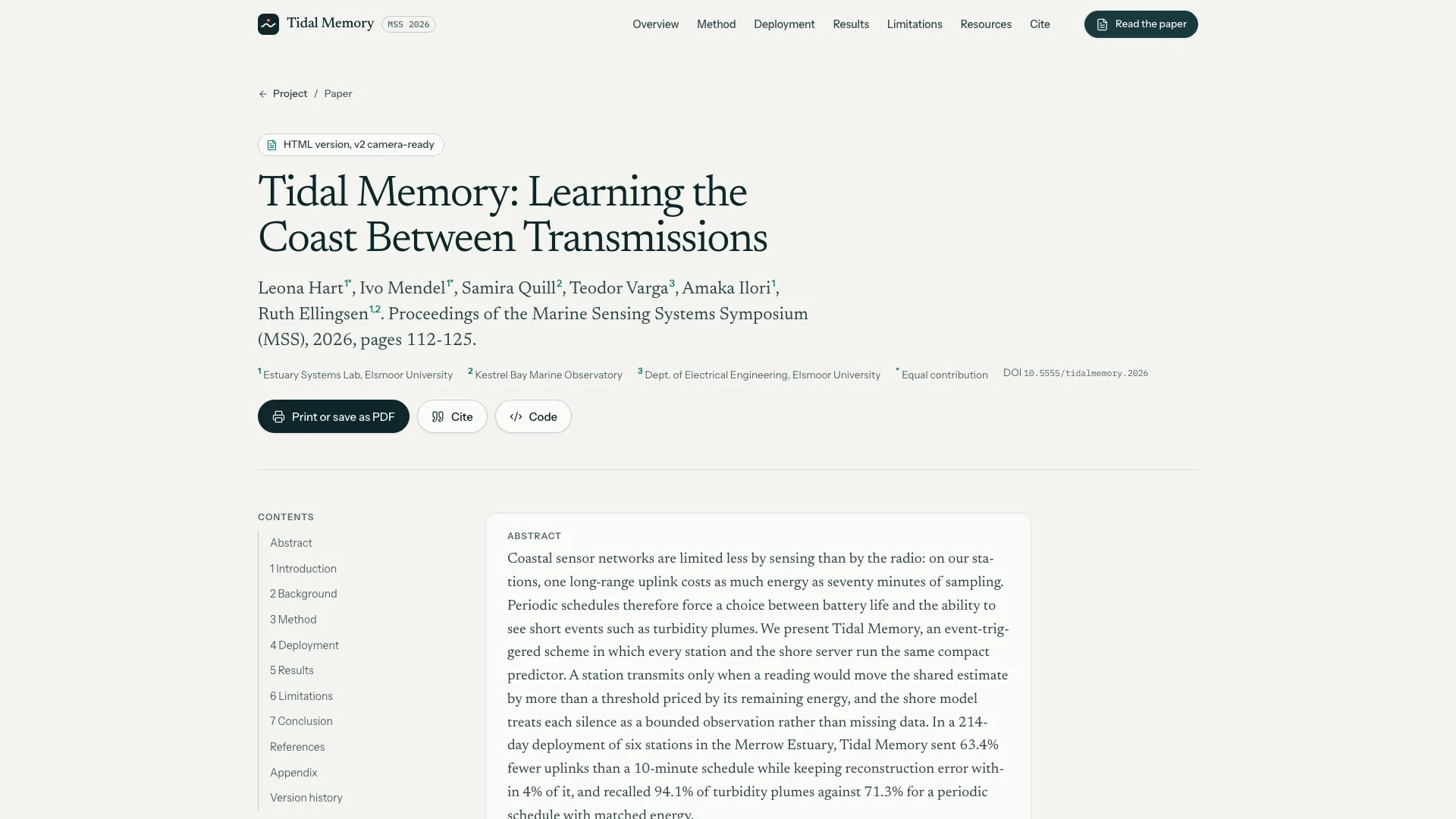
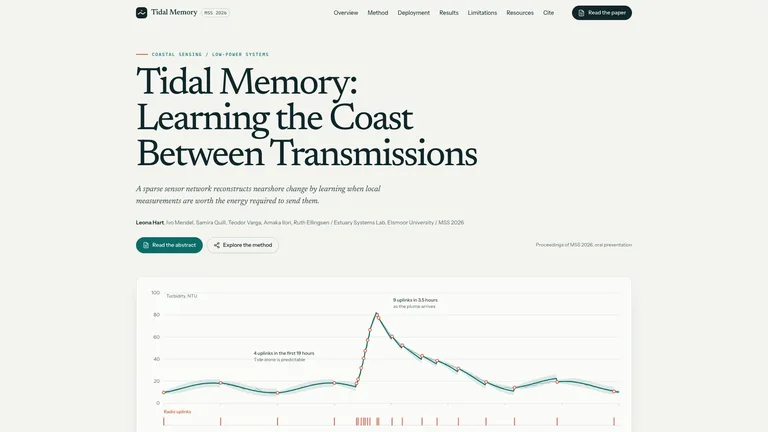
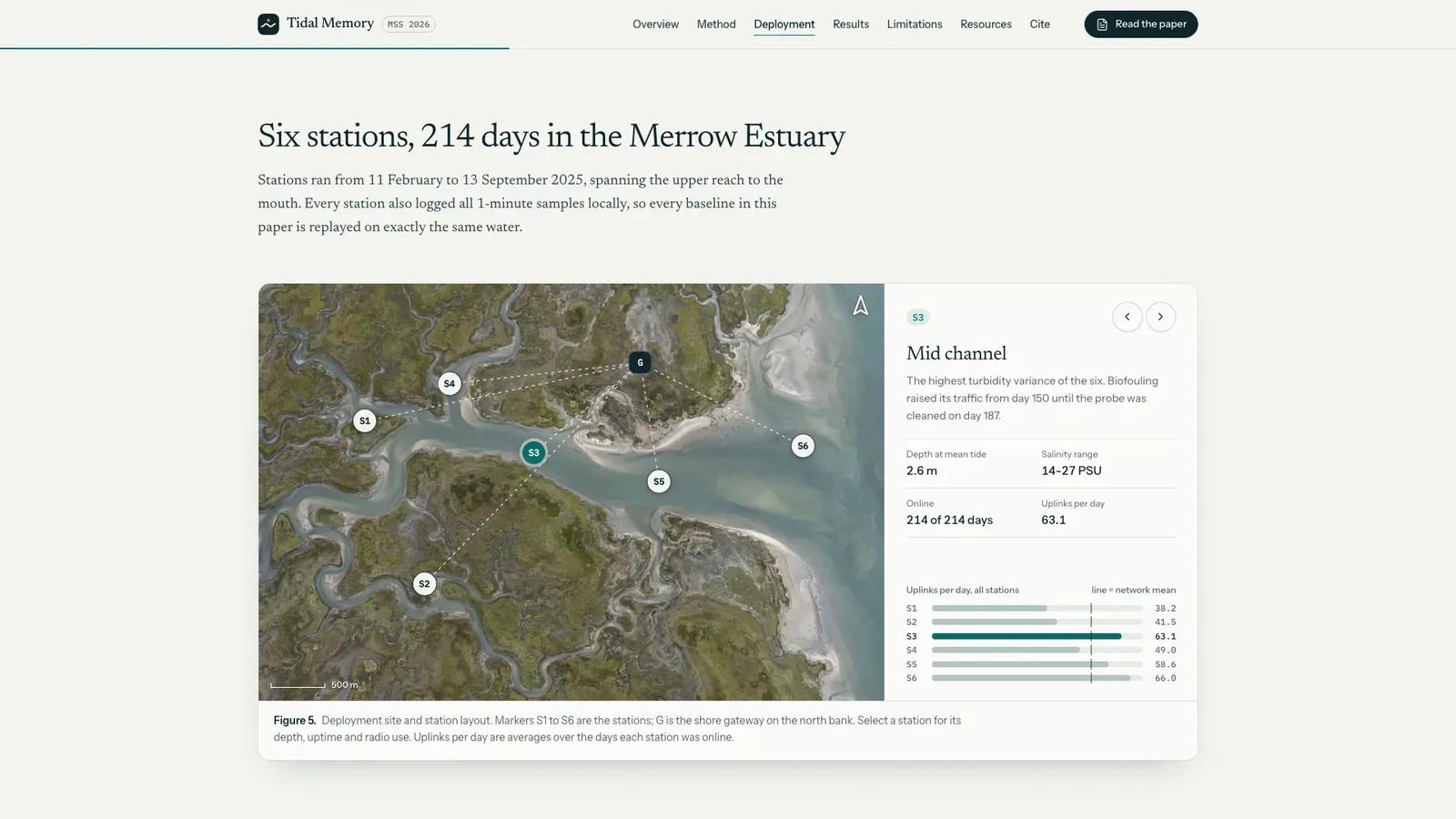
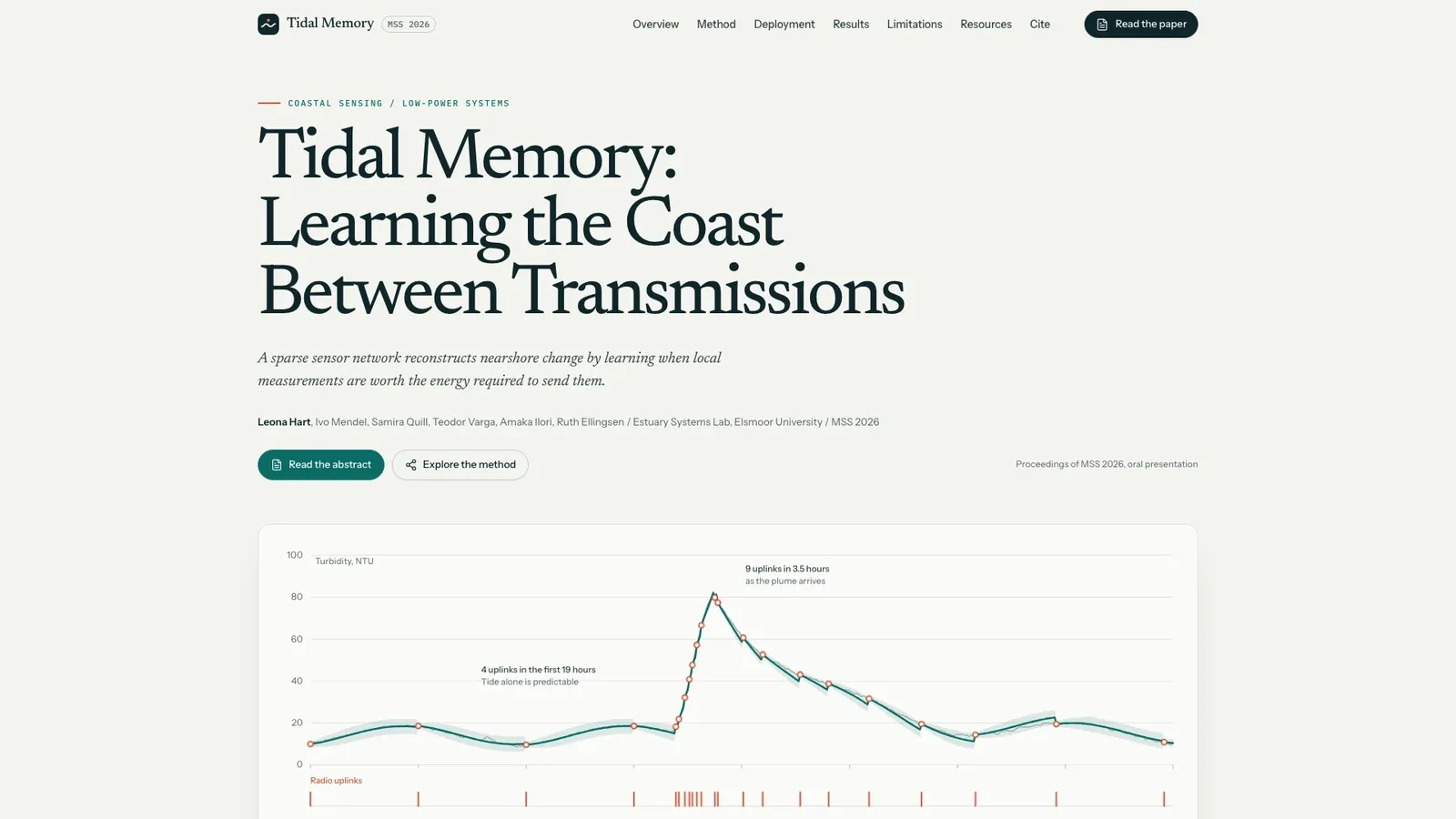
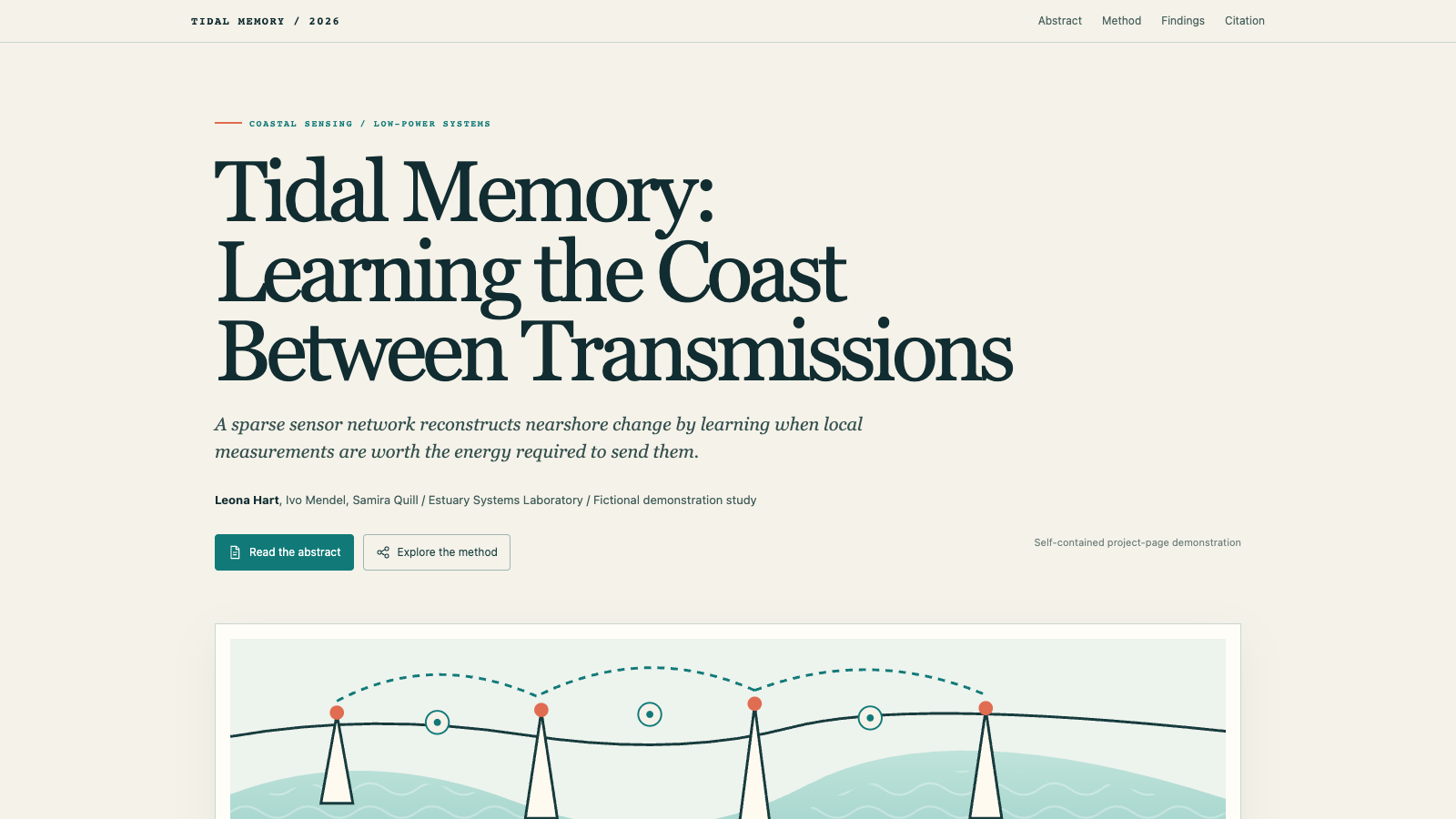
Turn a finished paper and its approved figures into a publishable project site: a quiet editorial masthead, an interactive Figure 1 above the fold, abstract and headline numbers, a method diagram, results charts and tables, limitations given the same weight as findings, resources and a copyable citation. Inner pages hold the full paper, the code and the dataset. Every figure is drawn from the paper's own numbers, so nothing on the page drifts from what the authors wrote.
Picked most often by
Updated Oct 3, 2026
Preview gallery
Runs in
Generates with
Similar Skills
View all skillsWhat you get
- A complete project site in one self-contained HTML file that opens offline: the homepage plus paper, code, dataset and 404 pages
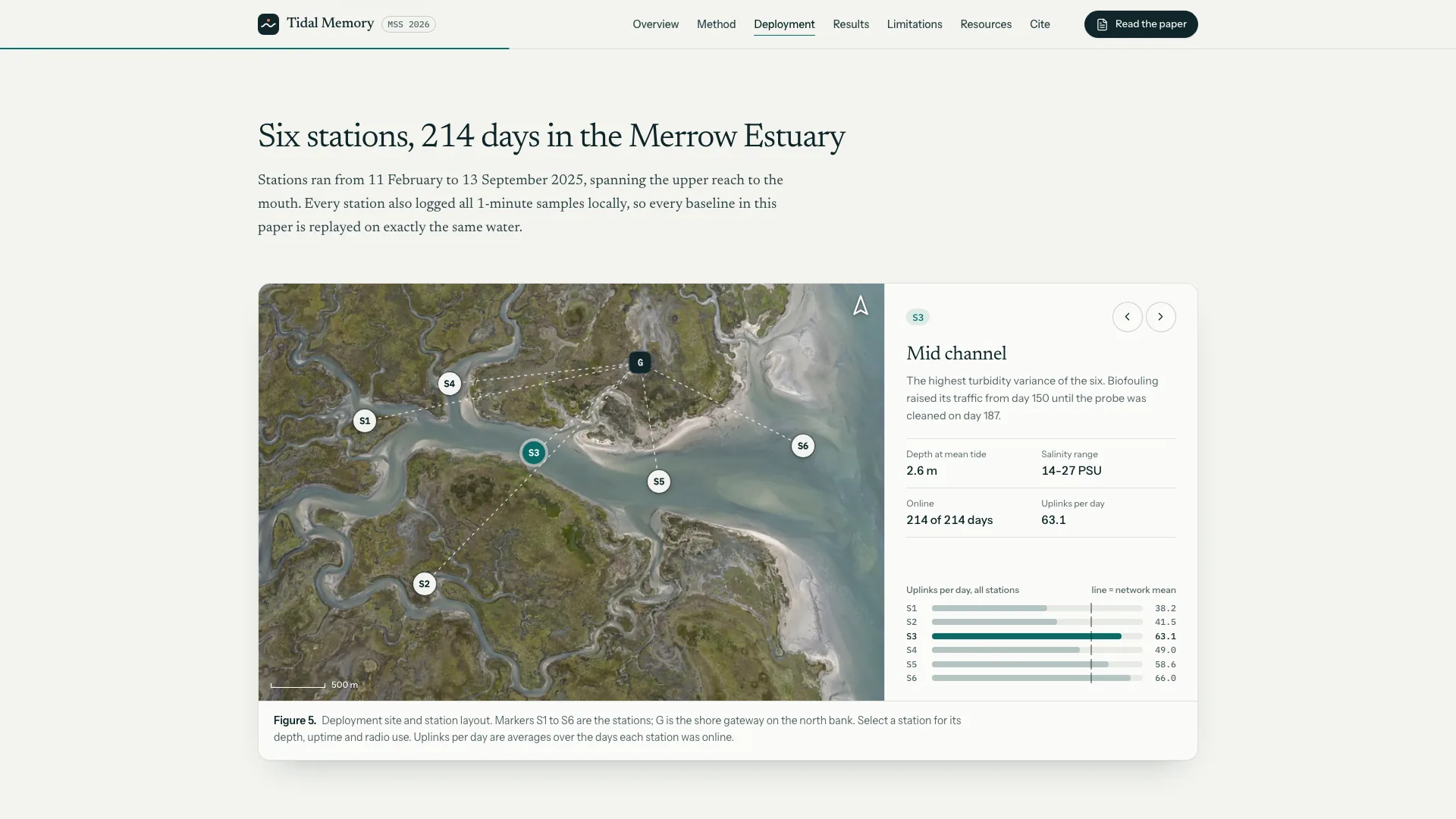
- Figures drawn from one ledger of the paper's numbers: an interactive teaser, method diagram, trade-off chart with a slider, heat map and switchable results tables
- A visible limitations section, copyable citation and BibTeX, questions and contact, plus an audit note listing sources, drafted text, omissions and checks
Good fit
- Researchers presenting one paper or project to reviewers, collaborators and a broader audience
- Labs with a complete manuscript, rights-cleared figures, released code or data, and full citation details
- Authors who want a portable page now, or the same design ported into their lab's existing site project
Not for
- Inventing missing findings, metrics, authors, affiliations, DOIs or acceptance status: missing facts are omitted and listed
- Papers whose figure rights are unclear, or pages that would present generated images as field evidence
- Hosting, analytics, domain setup or a multi-project lab portal
About this Skill

Give it a complete manuscript and approved figures, and get back a project site a reader can grasp at a glance: a quiet editorial masthead, an interactive Figure 1, and limitations shown as clearly as findings. It arrives as one self-contained file that opens in any browser and works offline.
What you get
- A homepage with abstract, headline numbers, method diagram, deployment context, results charts and tables, limitations, resources, citation, questions and contact
- Figures drawn from the paper's own numbers, with toggles, sliders and hover readouts
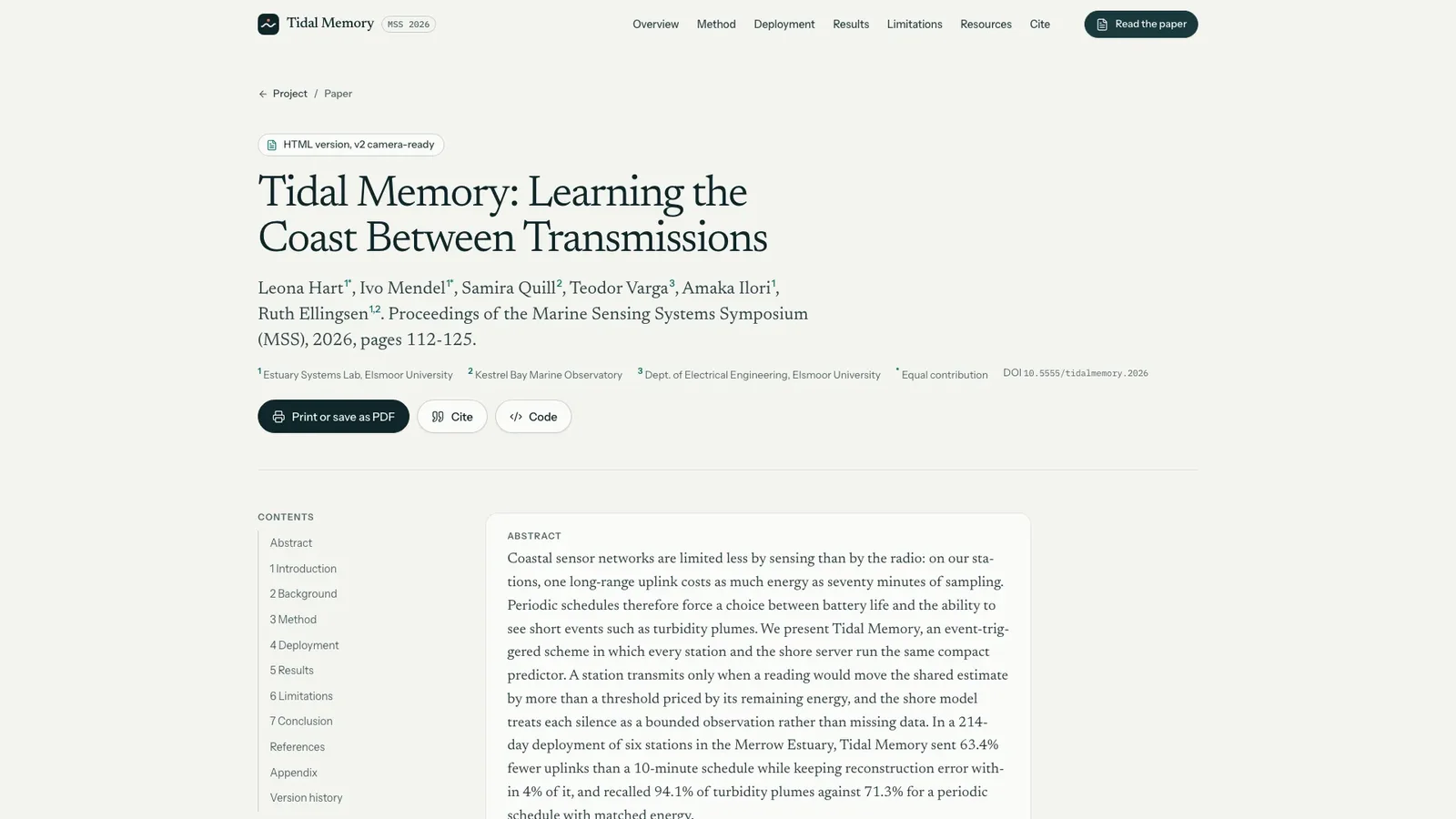
- A full paper page with contents and cross-links, a code page with commands and releases, a dataset page with files and an access request, and a 404
- A copyable citation and BibTeX, and an audit note that lists every source, drafted sentence and omission
- On request, the same design ported into your lab's existing site project

How to use it
- Provide the full paper, citation details, rights-cleared figures, author details and resource links, plus the underlying numbers for any interactive figure
- It builds a fact sheet and a numbers ledger, then lays out the page; anything missing is omitted and listed rather than invented
- Open the finished file in your browser, read every figure and caption, and ask for changes in plain words

No image tool or paid service is needed. Fonts and photos are embedded, so the finished file makes no network requests.
What you need before you start
- You bring
- The complete manuscript with citation details (venue, pages, DOI, version) · Rights-cleared figures, captions, author details, affiliations and resource links · The underlying numbers for any interactive figure, and the intended audience
- Dependencies
- Node.js 18 or newer on your agent's machine, to run the bundled script that builds the single offline file · Internet access while the file is built, so the fonts can be downloaded once and embedded
- Last tested
- v1.0.1 — Claude Code / Claude Desktop / Cowork / Codex / ChatGPT
User reviews
Loading reviews…