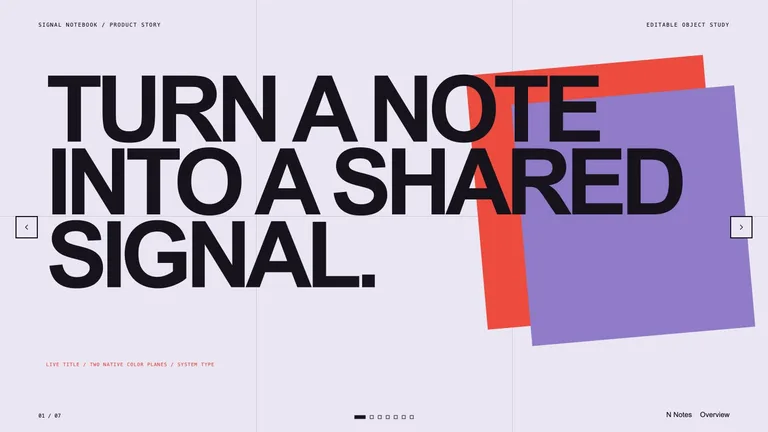
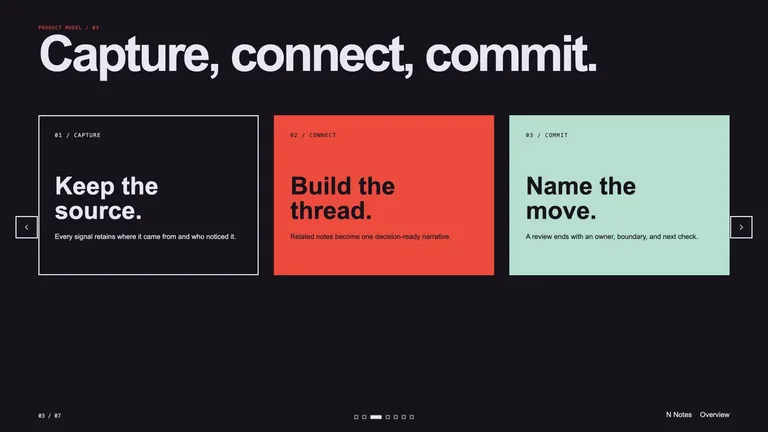
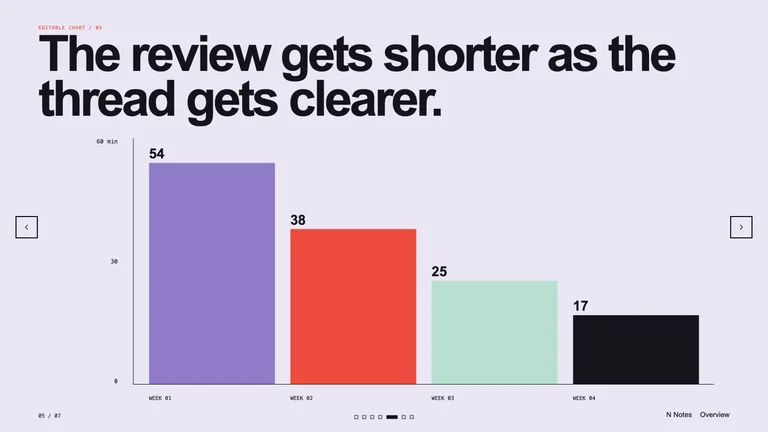
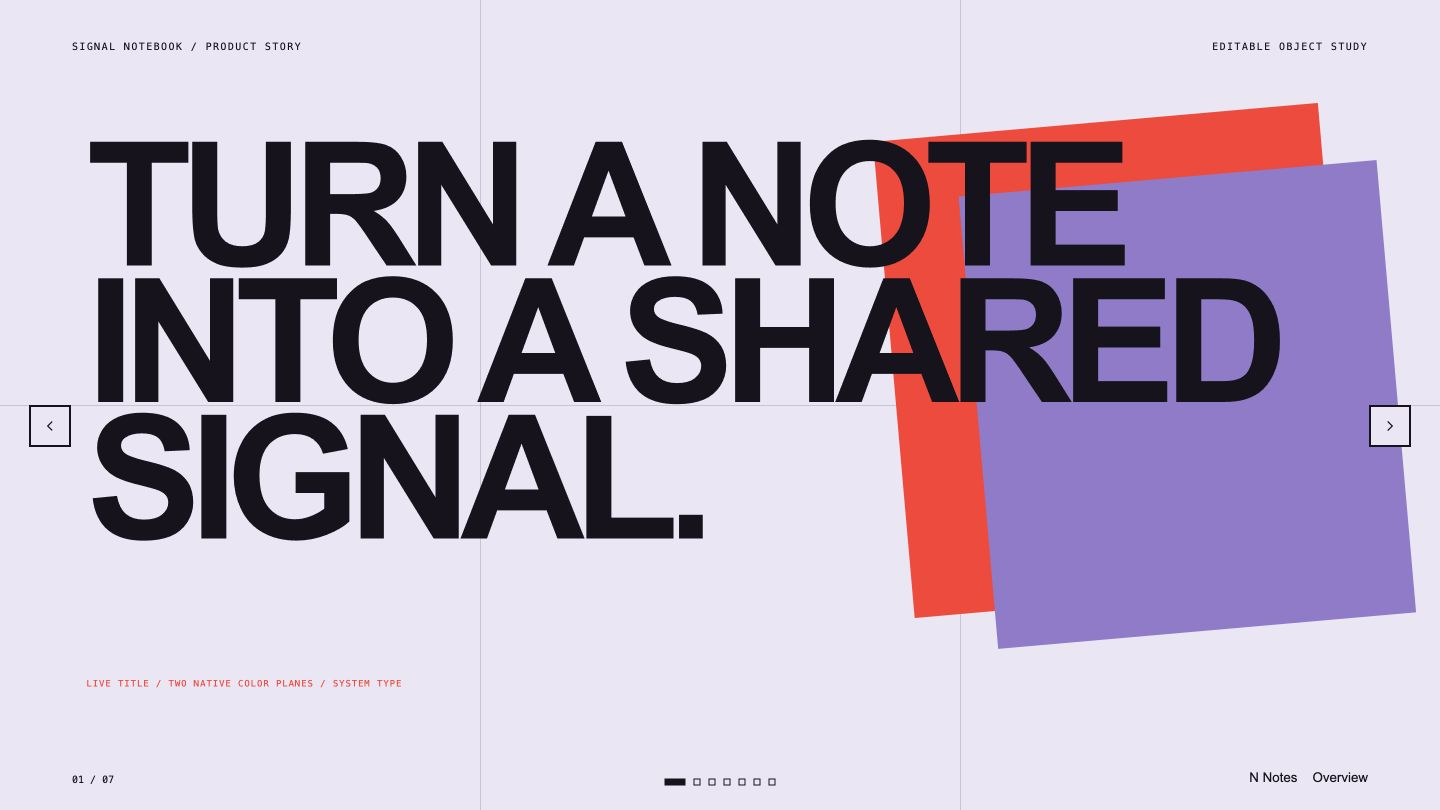
Editable Visual Deck
Create a polished presentation from editable text, shapes, diagrams, and chart elements. It prioritizes a dependable browser deck while preserving a clear native-object handoff for later editable presentation export.


 +55.0
+55.0For product managers turning evidence into alignment
Product work gets stuck when evidence, decisions, interface states, and release context live in separate places. These Skills help turn that material into artifacts the team can react to, while you keep ownership of the tradeoffs.
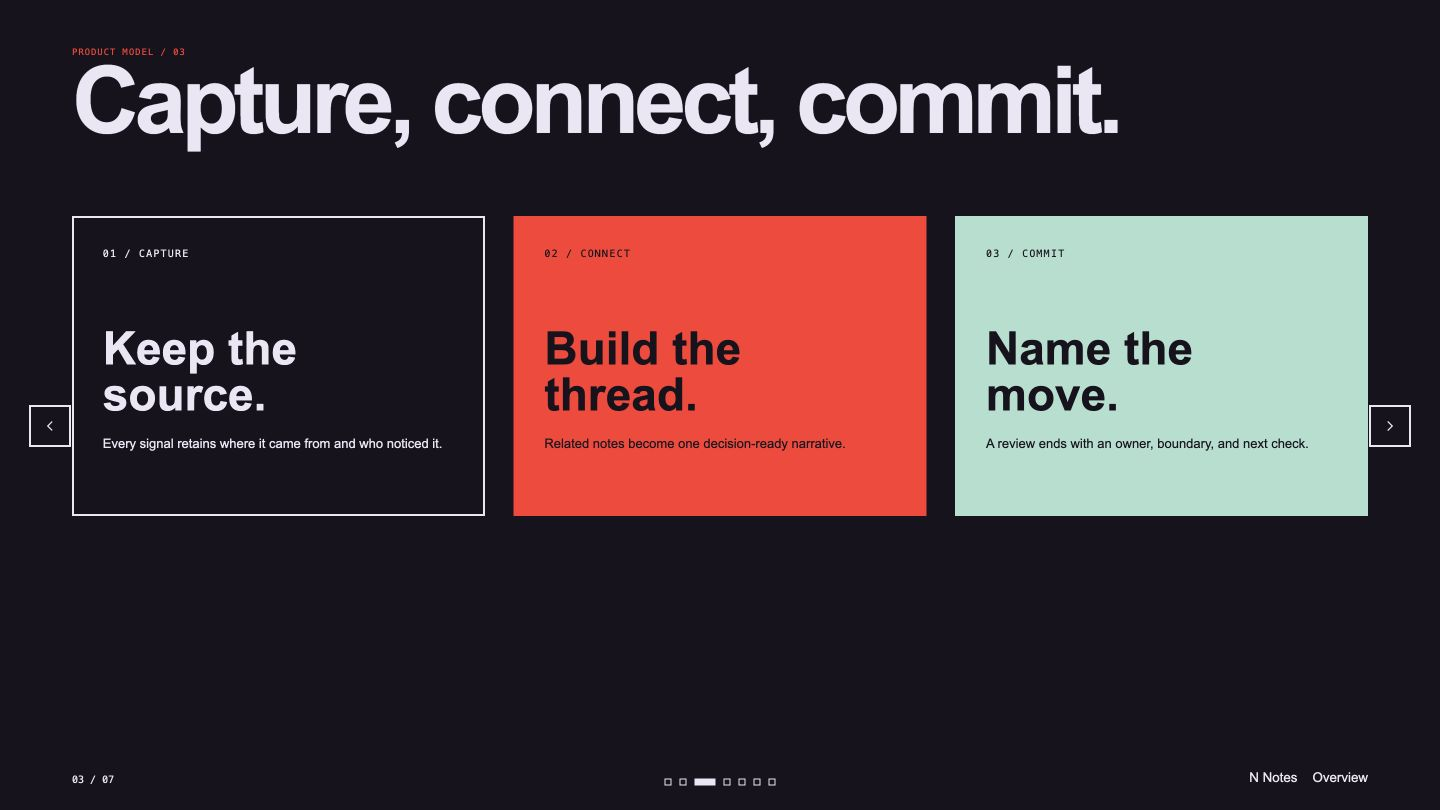
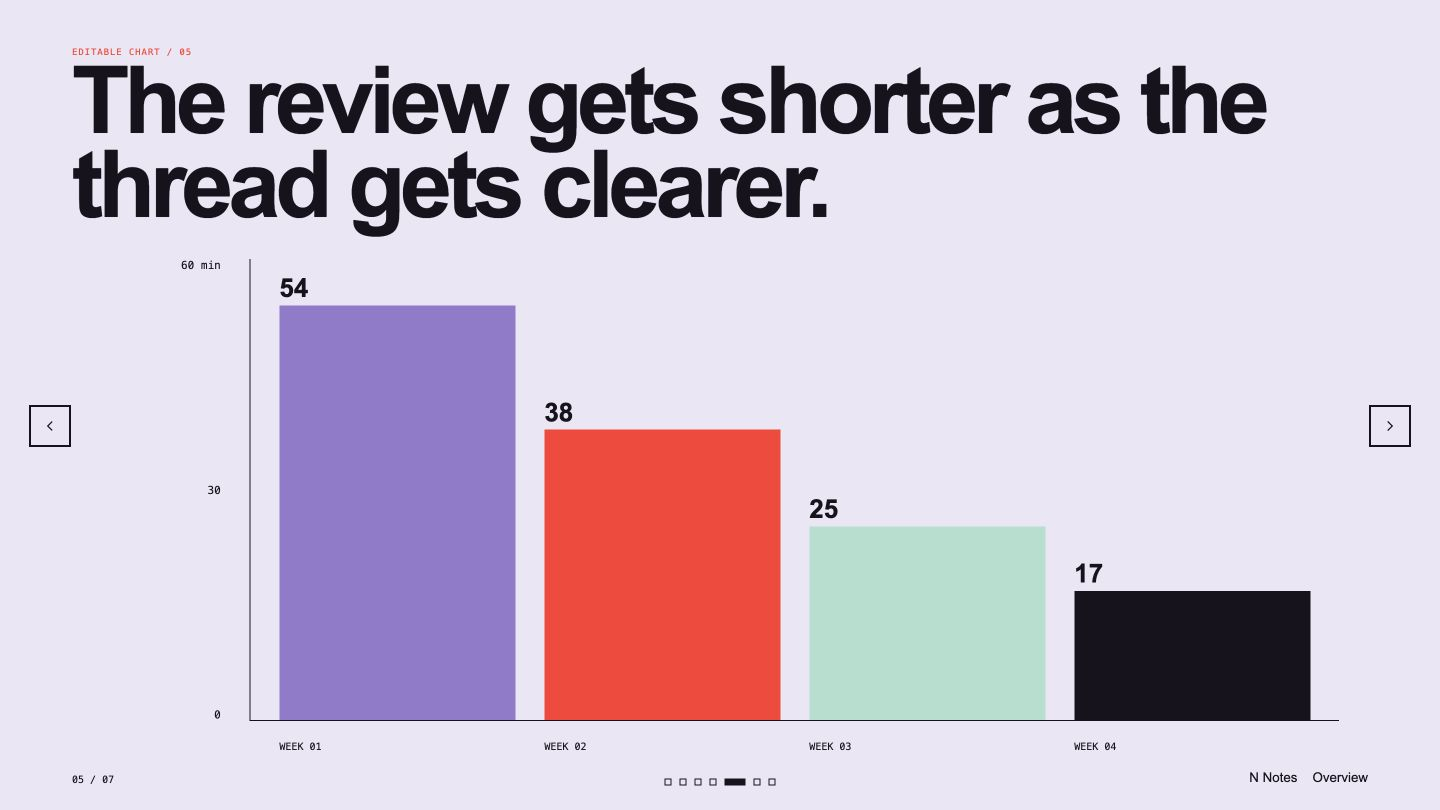
Choose a concrete product-management job. The result should make the evidence and unresolved choices visible, not merely sound polished.
Useful matches keep evidence, assumptions, and open questions visible. Compare the output and dependencies before adopting the workflow.
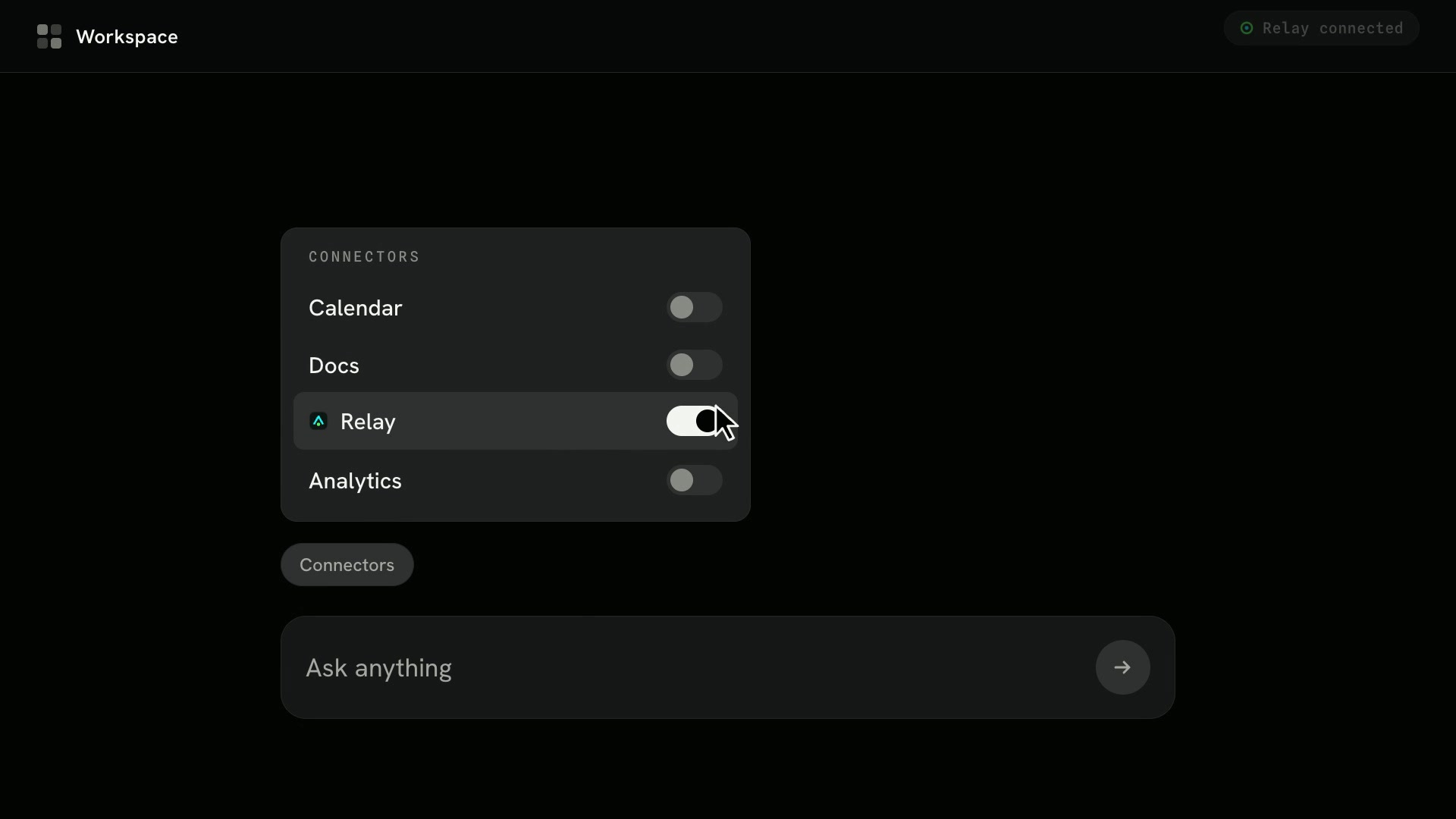
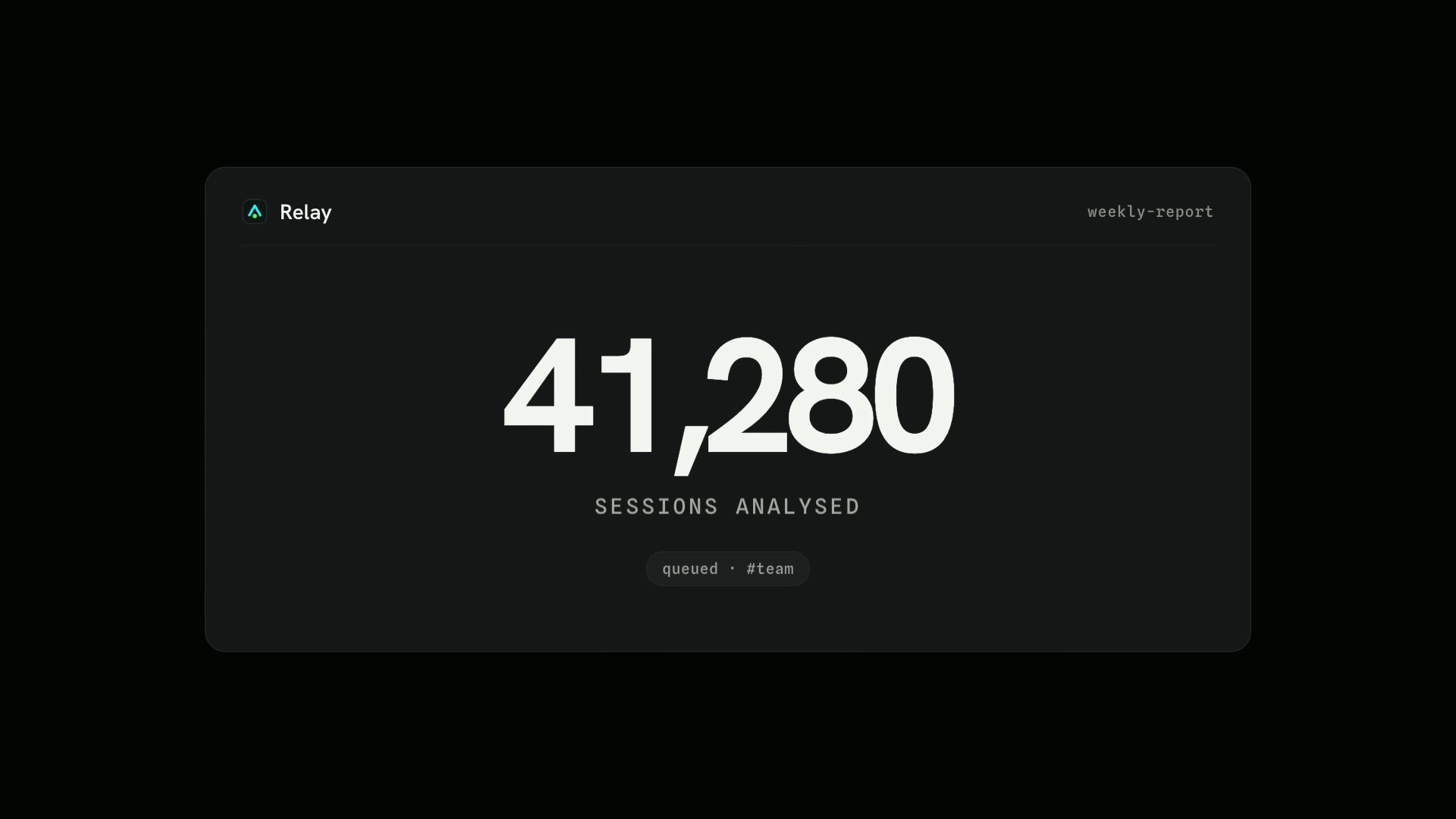
Every example comes from a Skill shown on this page. The media is here to make the choice easier, not to decorate an empty promise.
PM check
The artifact should reduce ambiguity and invite useful challenge rather than manufacture agreement.
State who decides, what changes, and when. Then choose the brief, dashboard, flow, or deck that best supports that moment.
Label direct observations, metrics, assumptions, and recommendations so the team can challenge the right layer.
Use real edge cases, permissions, errors, and operational constraints. A happy-path artifact creates false alignment.
A Skill becomes a repeatable way for your agent to do this job. Your brief and output stay in the project where the rest of the work already lives.
Check the output examples, required inputs, dependencies, and price before you install.
Ask your agent to install the Skill. The trusted guide handles the setup and authorization.
Describe the product managers job in plain language, review the result, and keep the final file.
Works with the agents you already use
Claude CodeCodexCursor Gemini CLI
 Cline
ClineYes, with permission and careful handling. Preserve source links and conflicting evidence so the summary can be checked against the original material.
It can structure evidence and options. Accountability for the tradeoff, affected users, risk, and outcome remains with the product team.
Some generate browser-ready interfaces or code. Test real content, responsive behavior, accessibility, and edge states before using the prototype as evidence.
Use approved tools, remove unnecessary personal information, keep secrets out of prompts, and check the provider path before sharing source material.
Product team
Decision work
Browse outputs
Choose the decision artifact, keep uncertainty visible, and bring a result the team can inspect together.